












 Quotation

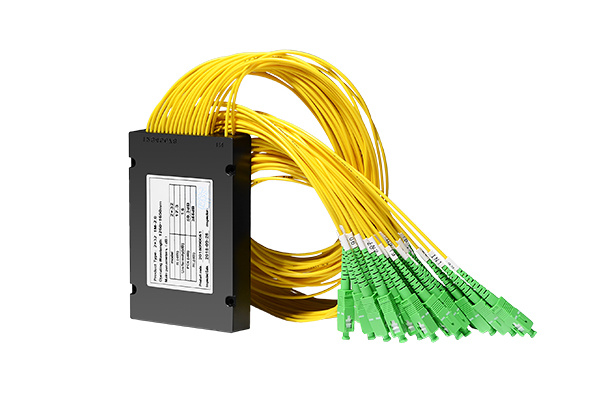
Shuffle Box


Shuffle Box
Application
1:AI Supercomputing Clusters
Supports large‑scale GPU computing networking to realize orderly optical‑path re‑arrangement among multiple nodes. It enables
ultra‑large‑bandwidth and low‑latency data exchange for computing workloads and meets cabling requirements for networking of
millions‑level computing cards.
2:Large‑scale Data Centers (AIDC/IDC)
Performs optical‑path transition, signal aggregation and routing reconfiguration between Leaf and Spine switches under leaf‑spine
network architecture. It simplifies data‑center cabling infrastructure and improves cabinet space utilization.
3:CPO Co‑Packaged Optics Systems
Matches and re‑configures optical paths for opto‑electronic integrated switches and high‑speed optical module arrays. It optimizes
board‑level and cabinet‑level optical interconnection layout and significantly reduces equipment footprint.
4:High‑Performance Computing (HPC) Centers
Delivers stable, well‑organized high‑density fiber interconnection solutions for supercomputing systems. It lowers cabling‑related failure
risks and guarantees long‑term stable operation of supercomputing hardware.
5:High‑speed DCI Data Interconnection Scenarios
Enables high‑speed optical‑path scheduling and signal re‑organization across equipment and computer rooms, compatible with long‑haul,
large‑bandwidth optical‑data transmission.
6:Custom High‑density Optical Cabling Projects
Supports new‑build and retrofitting projects with customized optical‑topology cabling for government‑enterprise private networks, high‑end
communication base stations, smart computing parks and other use cases.
Features
1:Passive zero‑power‑loss design for high stability and reliability
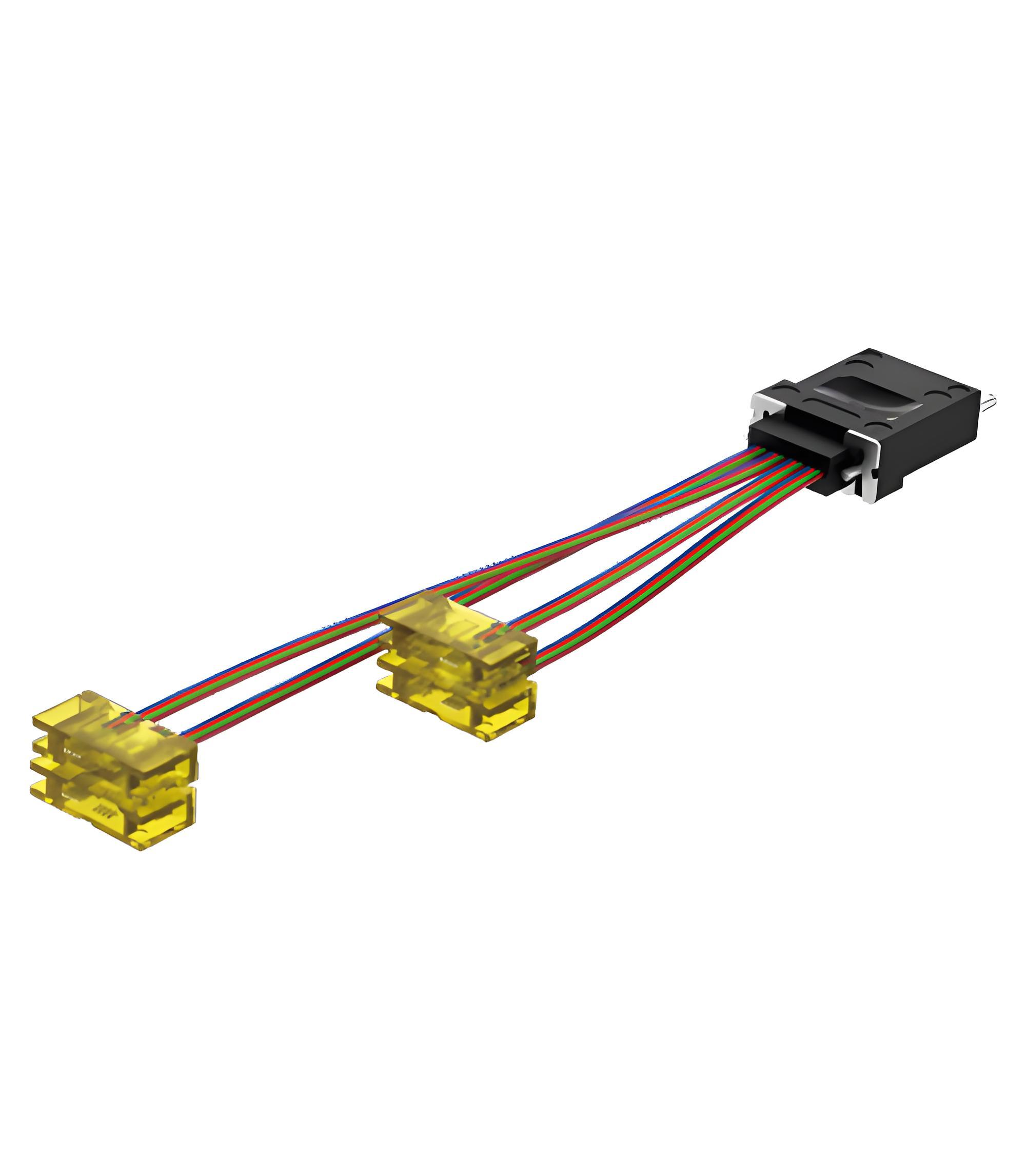
Adopting purely passive optical‑path architecture with no chips or circuits and requiring no power supply. It eliminates electromagnetic interference, provides stable optical transmission, ultra‑low insertion loss and zero signal latency, and supports 7×24‑hour continuous operation.
2:High‑density integration for maximum space savings
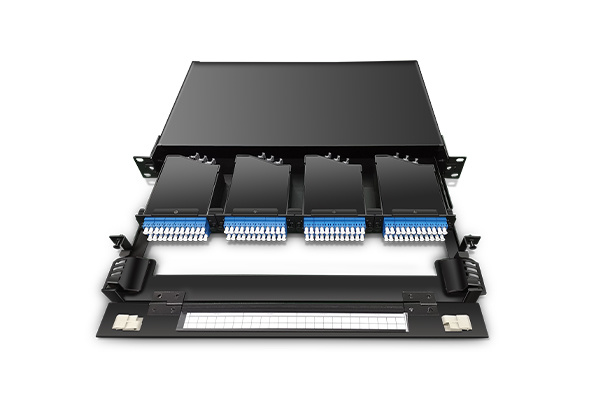
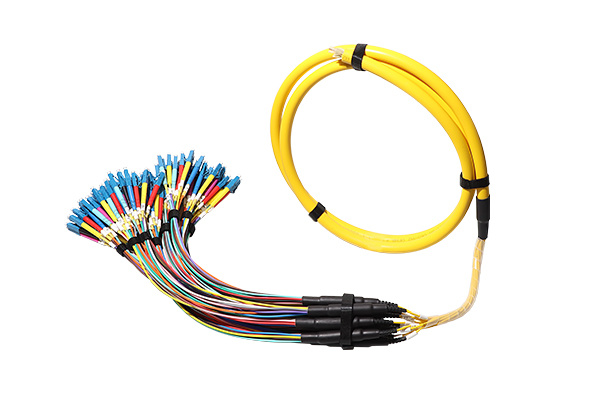
The integrated enclosure embeds pre‑defined fiber re‑routing paths, replacing hundreds of discrete jumpers. Compared with conventional cabling schemes, it saves over 70 % of cabling space, optimizes cabinet air‑flow and improves heat dissipation within data centers.
3:Standardized optical‑path re‑mapping with zero on‑site commissioning cost
Precise optical‑path mapping relationships are pre‑configured at factory, with 100 % full‑channel testing and calibration. Plug‑and‑play on site without core‑by‑core manual tuning, substantially shortening project deployment cycles while reducing human‑induced cabling errors and failure risks.
4:Robust mechanical construction for demanding operating conditions
Housing options include aluminum alloy / galvanized steel sheet (customizable). The enclosed enclosure is dust‑proof, oxidation‑resistant, vibration‑resistant and anti‑interference, protecting internal fibers and adapting to long‑term constant‑temperature‑and‑humidity environments plus equipment vibration in data‑center premises.
5:Modular and expandable with broad compatibility
Available in standard 1U/2U/3U/4U rack‑mount dimensions. Customizable fiber counts and optical topologies are supported. Stackable installation is allowed, and it is compatible with mainstream multi‑fiber connectors such as MPO and MT, working with most high‑speed optical modules and switches.
6:Easy‑to‑maintain design with low failure rate for cost‑efficiency
Integrated orderly cabling eliminates tangled and misrouted jumpers. Troubleshooting during later‑stage operation‑and‑maintenance is simplified, cutting maintenance costs and line‑failure probability and improving overall network stability.
Product Parameters
| Item | Specifications |
|---|---|
| Product Name | Shuffle Distribution Box |
| Device Type | Passive Fiber Routing Reconfiguration Device |
| Rack Unit | Standard 1U / 2U / 3U / 4U (customizable) |
| Supported Fiber Count | 12‑core / 24‑core / 48‑core / 96‑core / 192‑core / 384‑core (customizable on request) |
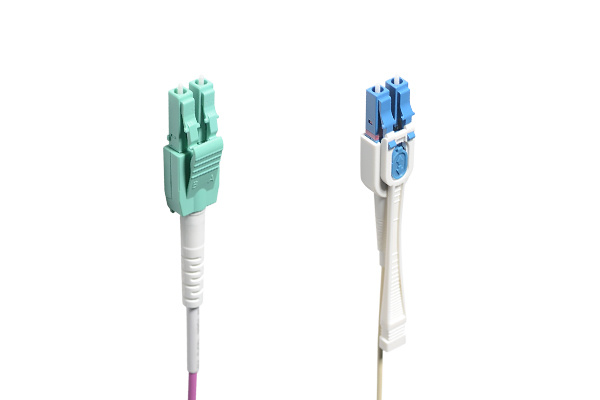
| Compatible Connectors | MPO/MTP, MMC, SN‑MT and other fiber connectors |
| Insertion Loss | ≤0.3 dB (typical) |
| Return Loss | ≥55 dB |
| Optical‑path Accuracy | 100 % full‑fiber testing and calibration at factory |
| Housing Material | Aluminum Alloy / Galvanized Steel Sheet / ABS (optional & customizable) |
| Operating Temperature | ‑20℃ ~ +70℃ |
| Storage Temperature | ‑40℃ ~ +85℃ |
| Operating Humidity | 5 %RH ~ 95 %RH (non‑condensing) |
| Transmission Wavelength | 1270 nm ~ 1610 nm (full‑band compatible) |
| Service Life | ≥15 years |
| Installation Method | Standard rack‑mount; stackable |
| Customization Service | Customizable optical‑path topology, fiber count, dimension and connector type |

CPR

UL

ROHS
Product Message




 Official Account
 Channels